
ENT (EAR, NOSE & THROAT) · LINE BAZAR, PURNIA
Hearing Loss & Hearing Aids
Discuss changes in hearing, ringing in the ears and difficulty following conversations. Hearing tests can help clarify whether hearing aids may be suitable.
Dr Anwar Kabir
ENT SpecialistBy appointment · Bring your existing reports
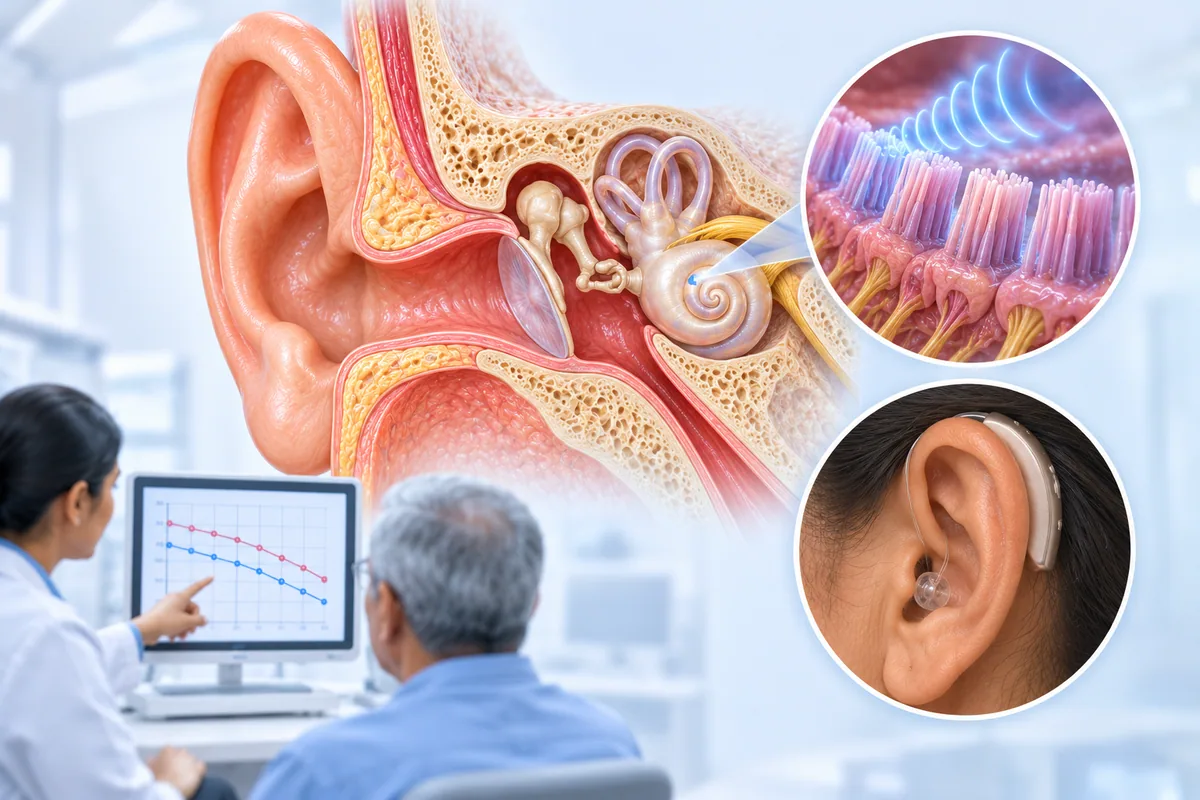
Your care, explainedAssessment, choices & follow-up
A plan for your needsDiscuss symptoms and existing reports
Here in Line BazarGlisan Akbari Hospital, Purnia
Know when to seek urgent help. Sudden hearing loss in either ear needs urgent medical assessment. Do not wait for a routine hearing-aid appointment.
01 / UNDERSTAND THE CONCERN
Are conversations becoming harder to follow?
Hearing changes may develop gradually or suddenly. Some causes can be treated, while others need ongoing hearing support.
Describe the situations that are difficult, such as telephone calls or conversation in a busy room. Those details help make the assessment useful to everyday life.
Concerns worth discussing
Tell the clinician what you have noticed, when it began and how it affects daily life.
Difficulty following speech or needing the television louder
One ear hearing less clearly than the other
Ringing, a blocked sensation or hearing changes after an ear problem
02 / YOUR CONSULTATION
Start with an individual assessment.
An ear examination and hearing assessment help establish the type and extent of hearing loss. Mention whether one or both ears are affected.
Bring earlier test results and any hearing aids you already use. Discuss ringing, dizziness, noise exposure and changes since your last assessment.
Bring your questions, existing reports and current medicines. Discuss what the assessment means, which care fits your needs and how follow-up will work.
MAKE AN INFORMED DECISION
Benefits, limits & possible risks
Hearing aids may make sound clearer but do not restore perfect hearing. Fit, adjustment and follow-up matter; ask about expected benefit, device care and any costs before choosing.
Plan your follow-up.
Keep your hearing-review appointments and report new or sudden changes promptly.
Discuss your care plan04 / MAKE YOUR VISIT EASIER
Know what to bring.
Know what to ask.
Travelling from Katihar, Araria or Kishanganj? Confirm your consultation time with the team before you set out.
Your consultation checklist
- Bring previous hearing tests and details of ear operations or infections.
- Bring existing hearing aids, accessories and information about difficulties using them.
- Write down when the change began and the listening situations that matter most to you.
Fees, estimates & insurance
Ask our team about the consultation fee. Treatment costs depend on the assessment and proposed care.
Request an estimate for the recommended care and follow-up. If a procedure is advised, ask about tests, anaesthesia, hospital stay and any separate charges. Confirm insurance acceptance and approval requirements before admission.
Ask the team about costs05 / YOUR QUESTIONS, ANSWERED
A little clarity
before your visit.
Have a question about your own symptoms, reports or care plan? Discuss it with your clinician.
9234606330Do all hearing problems need a hearing aid?
Will a hearing aid restore normal hearing?
What happens after a hearing aid is fitted?
YOUR NEXT STEP
Bring your questions.
Let’s plan your care.
Discuss your concerns with Dr Anwar Kabir at Glisan Akbari Super Speciality Hospital.
Booking opens the specialist’s Doctor Dekho profile. Confirm your consultation time before travelling.
Visit us in Line Bazar
Dharamshala Road, Line Bazar, Purnea, Bihar 854301 Get directions Hospital & visiting detailsCONNECTED CARE
Related ent (ear, nose & throat) care
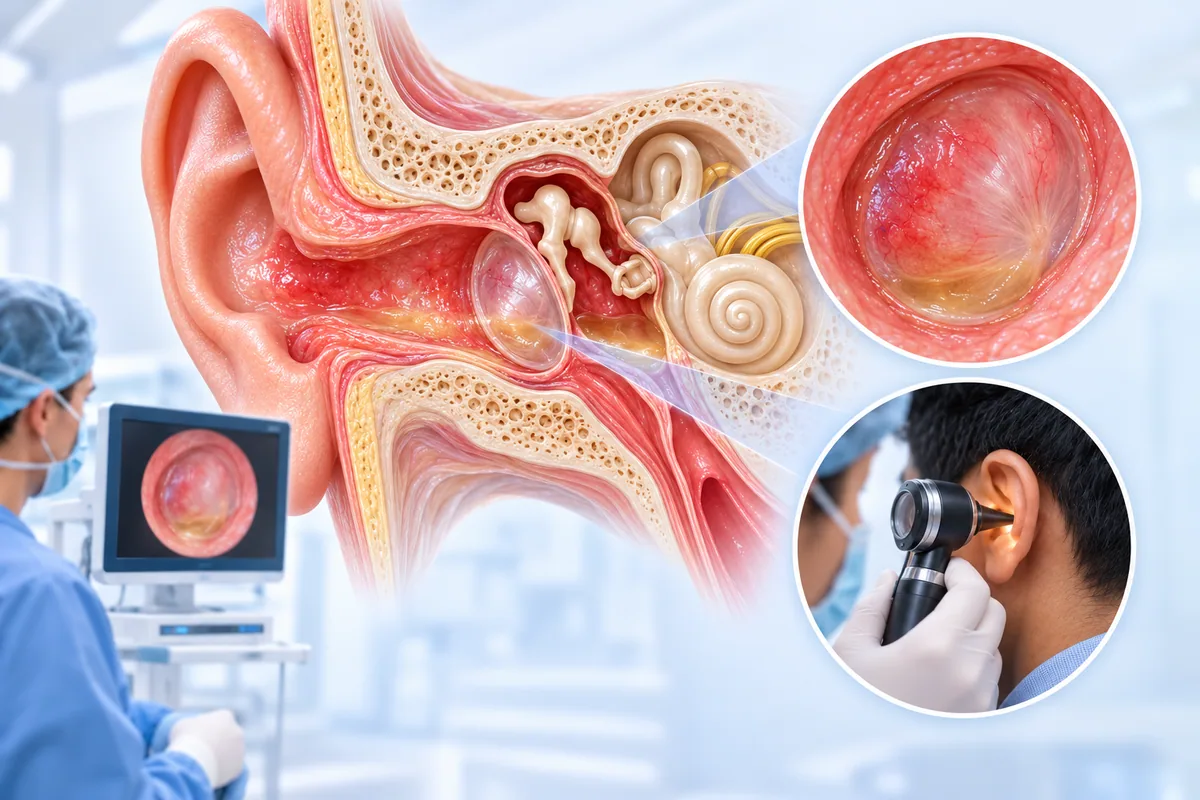
Ear Infections & Chronic Ear Discharge
Ear pain or repeated discharge can have different causes. A consultation can help you understand what needs assessment.
Explore care
Sinusitis & Nasal Allergies
A blocked or runny nose, sneezing and facial pressure are useful concerns to discuss. Assessment can help distinguish allergies from other causes.
Explore care
Tonsil & Adenoid Problems
Repeated sore throats, snoring or difficulty breathing through the nose may need assessment. A doctor can discuss possible causes and next steps.
Explore careSources & further reading
General information supports your consultation; it cannot diagnose your symptoms. Your clinician will explain which care is suitable for you.