
ANESTHESIOLOGY · LINE BAZAR, PURNIA
Emergency & Critical Care Support
Anaesthesia teams may support breathing and monitoring during serious illness or emergency procedures.
Dr Aziz Ahmed
Anaesthesiology & Critical CareBy appointment · Bring your existing reports

Your care, explainedAssessment, choices & follow-up
A plan for your needsDiscuss symptoms and existing reports
Here in Line BazarGlisan Akbari Hospital, Purnia
Know when to seek urgent help. Severe breathing difficulty, collapse, unconsciousness, major bleeding or sudden severe illness needs emergency medical care. Do not wait for a routine consultation or online response.
01 / UNDERSTAND THE CONCERN
Need to understand the support a seriously ill patient may receive?
Critical care provides close monitoring and treatment when a person is seriously ill or needs additional support after an operation. The clinical team decides the appropriate level of care.
This information can help families prepare questions about monitoring, breathing support and updates. An emergency needs immediate assessment rather than an online booking.
Concerns worth discussing
Tell the clinician what you have noticed, when it began and how it affects daily life.
A serious illness or injury requiring urgent hospital assessment
A need for closer monitoring or breathing support
A planned or unexpected need for additional care after major surgery
02 / YOUR CONSULTATION
Start with an individual assessment.
The team assesses the illness and important body functions, including breathing and circulation, and decides what support is needed.
Ask the treating team to explain the current problem, treatment goals and how the patient is being reviewed. Needs can change as the illness develops.
Bring your questions, existing reports and current medicines. Discuss what the assessment means, which care fits your needs and how follow-up will work.
MAKE AN INFORMED DECISION
Benefits, limits & possible risks
Serious illness and critical-care treatments carry significant risks. Recovery cannot be predicted from a website; discuss the individual situation, benefits and limits of treatment with the clinical team.
Plan your follow-up.
The clinical team explains the next stage of care, including any transfer, ward recovery or further follow-up.
Discuss your care plan04 / MAKE YOUR VISIT EASIER
Know what to bring.
Know what to ask.
Travelling from Katihar, Araria or Kishanganj? Confirm your consultation time with the team before you set out.
Your consultation checklist
- If available, bring the patient’s medicine list, allergies and relevant medical records.
- Give the team a reliable contact for family updates and explain important health history.
- Ask about visiting and communication arrangements; never delay emergency care to collect documents.
Fees, estimates & insurance
Ask our team about the consultation fee. Treatment costs depend on the assessment and proposed care.
Request an estimate for the recommended care and follow-up. If a procedure is advised, ask about tests, anaesthesia, hospital stay and any separate charges. Confirm insurance acceptance and approval requirements before admission.
Ask the team about costs05 / YOUR QUESTIONS, ANSWERED
A little clarity
before your visit.
Have a question about your own symptoms, reports or care plan? Discuss it with your clinician.
9234606330Can I choose ICU or HDU through an online appointment?
Does every patient in critical care need a ventilator?
How can the family understand the treatment plan?
YOUR NEXT STEP
Bring your questions.
Let’s plan your care.
Discuss your concerns with Dr Aziz Ahmed at Glisan Akbari Super Speciality Hospital.
Booking opens the specialist’s Doctor Dekho profile. Confirm your consultation time before travelling.
Visit us in Line Bazar
Dharamshala Road, Line Bazar, Purnea, Bihar 854301 Get directions Hospital & visiting detailsCONNECTED CARE
Related anesthesiology care

Pre-Anaesthesia Assessment
Before a procedure, discuss your health history, medicines, allergies and any past experience with anaesthesia. This helps the care team plan for your individual needs.
Explore care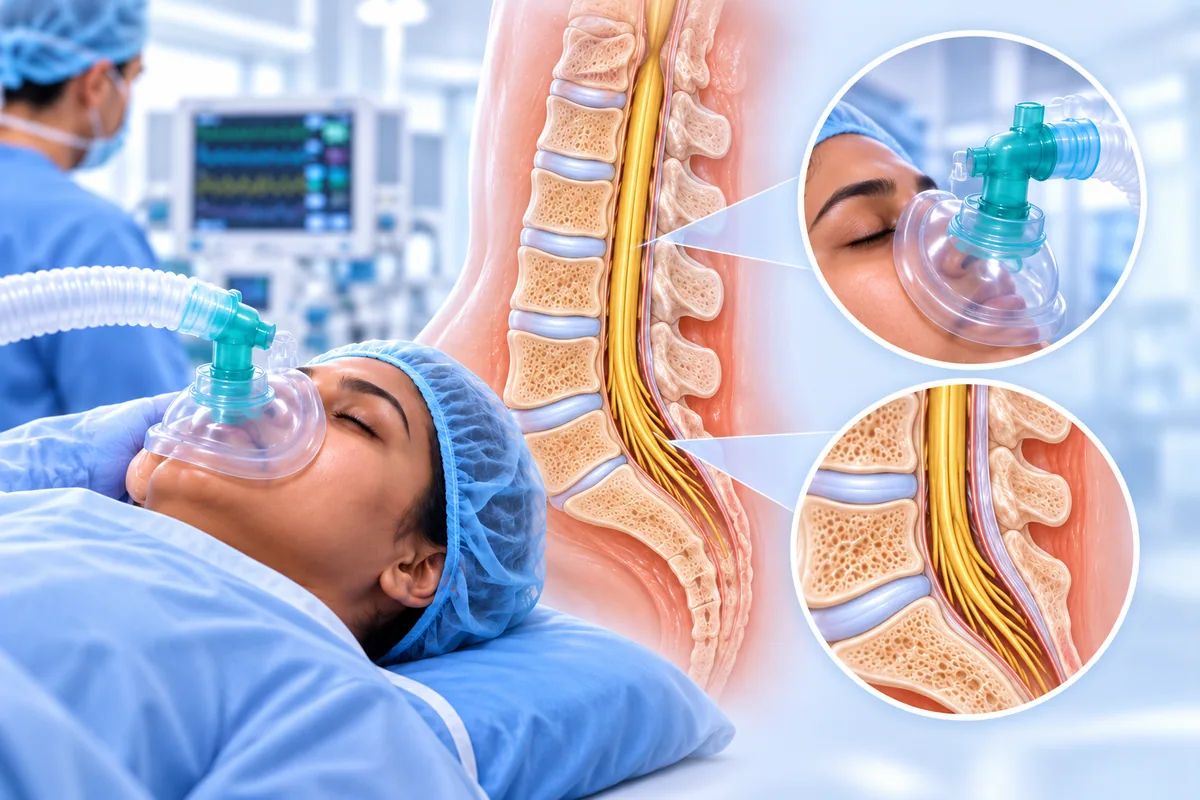
General & Regional Anaesthesia
General anaesthesia and regional anaesthesia work in different ways. The anaesthetist can explain which approach may suit your procedure and health.
Explore care
Labour & C-Section Anaesthesia
Discuss pain relief and anaesthesia questions with your maternity team. Suitable options depend on your health, the birth plan and the facilities available.
Explore careSources & further reading
General information supports your consultation; it cannot diagnose your symptoms. Your clinician will explain which care is suitable for you.